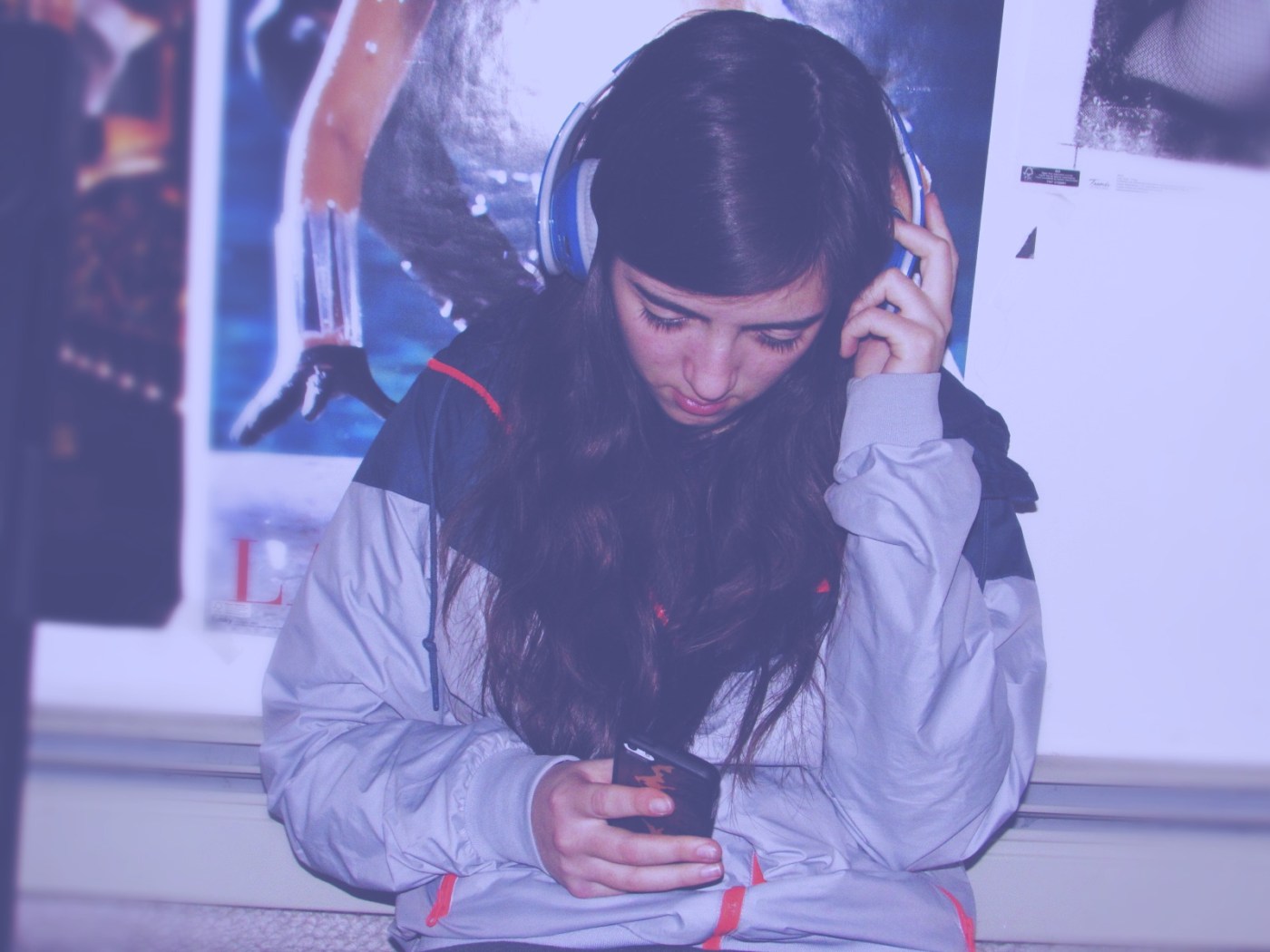
When you suffer from depression, you cannot concentrate. You have low energy all the time, unexplained aches and pains, a weight on your heart you can’t shake, and so much more. Music can serve heart connection, emotion expression, and healing for a human suffering from any type of depression. Studies have shown that listening to or singing a song can provide extreme mood improvement. It can move your focus toward the positive and lift the symptoms of the depression. Christine Stevens says, the positive effect of and sense of support found in singing is known to decrease loneliness, sadness, anxiety, and depression.
Some children (whether in foster care or have divorced parents) experience a condition caused by a lack of bonding with parents at an early age; this is called attachment disorder. This condition can lead to a lack of trust and resistance to forming relationships as they grow. This can cause severe damage to the child’s soul from the cycles of abuse. Stevens worked as a social worker and music therapist at a foster care. She created a repeating music group activity for the kids to increase bonding and heal damage. She believed music creates easier access to a child’s soul than talking does; she was right. Her approach was effective, resulting in the kids naturally finding good sound together, transferring energy into soul-level healing and creating trust. Author of Bowling Alone, Robert Putnam’s research demonstrates that participation in group activities and building our social capital automatically translates to more happiness, better health, and a sense of purpose in life.
Studies have shown our brain’s sympathetic mirror reaction is triggered by hearing a sound associated with an action. Researchers have found that musical gestures -hand movements, conducting, the playing of an instrument, facial expressions while singing- resonate with the mirror neurons in our brains. They found that watching these gestures excites the mirror neurons in the motor and emotional brain like we were performing ourselves. Music’s motion could possibly be the emotion that moves our souls.
The Institute of Neuropalliative Rehabilitation in London composed a study proving the importance of creative music therapy for adults with chronic mental illnesses. Researchers found that improvisation in music provides a sense of identity for the patient, which enables the shift from disempowerment to empowerment. Improvisation also shows active participation in patients and a sense of control, skill, and success. All of these factors are strong, much-needed healing attributes for people facing chronic mental illnesses such as crippling depression and bipolar disorder.

 Music as Medicine
Leave a comment