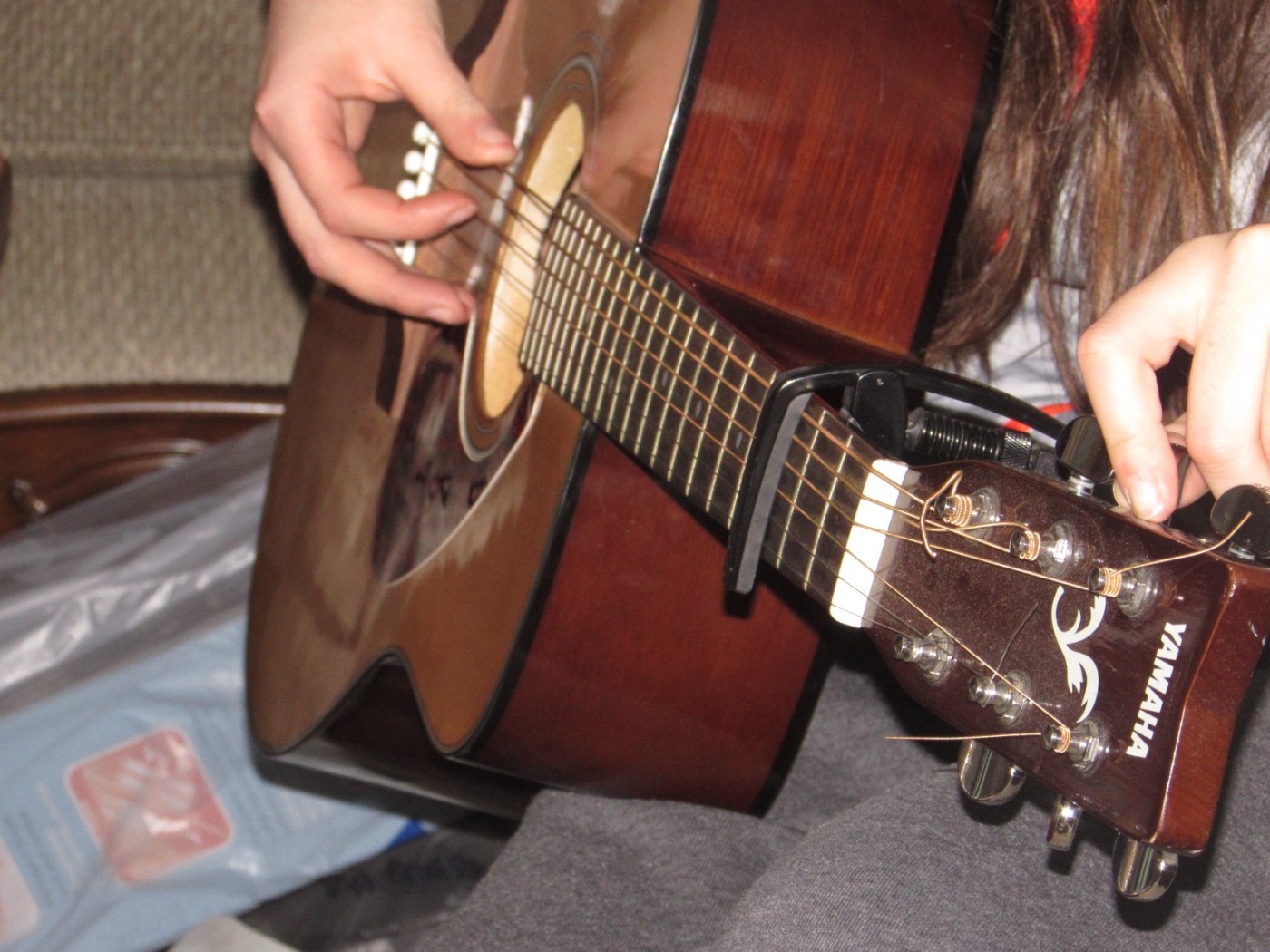
Hearing music can quicken your breathing, increase your heart rate, or send shivers down your spine. Karen Merzenich, author of Top 12 Brain-Based Reasons Why Music as Therapy Works claims that qualified music therapists can use this outcome of music to help someone physically relax their body, or even help stimulate a person in a coma.
Teacher Clive Robbins and composer Paul Nordoff created a center for Music Therapy in New York, founded in 1961. Currently, the music center is treating children with cerebral palsy, autism, Asperger’s disease, and other patients with developmental delays. Their mission is to transform lives through music and reach every child’s developmental potential.
Merzenich, admits that we don’t know why, but our brains are wired to respond to music. Even though music is not ‘essential’ for our survival, our motor systems naturally match to a rhythmic beat. When we hear music, it inputs through our central nervous system (the auditory nerve) and most of the input goes to the brain to be processed. Although, some of the input leads to motor nerves in our spinal cord. This is what allows our muscles to move to the rhythm without trying. This is also why music therapists can help patients who have had a stroke. They can re-learn how to walk, and develop strength in their upper bodies with this method. Shared neural circuits in the brain are triggered by listening to or singing music with lyrics. Music therapists use this ability of music to help someone re-learn how to talk again after having a stroke.
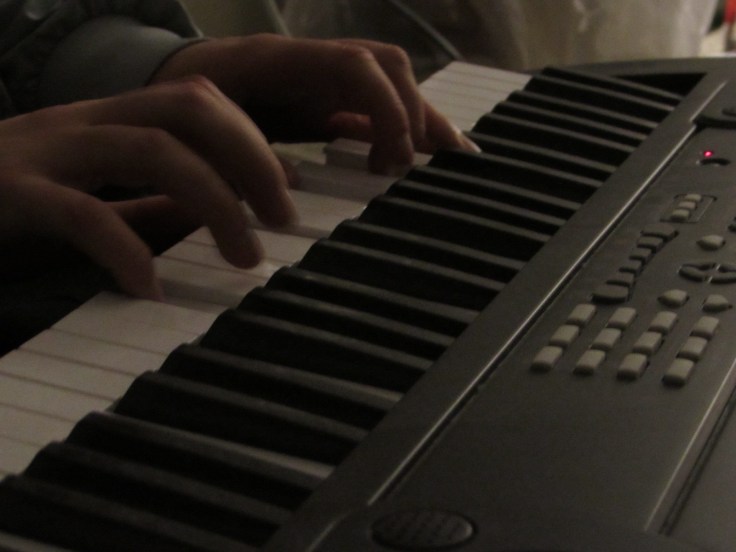
 Music as Medicine
Leave a comment